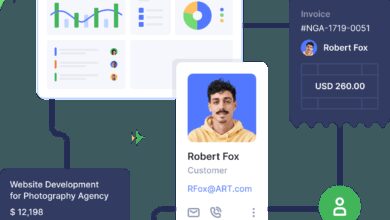
Imagine running your business without drowning in repetitive tasks, missed follow-ups, or scattered customer data. That’s the magic of CRM workflow automation—your secret weapon for smarter, faster, and more personalized customer engagement.
What Is CRM Workflow Automation?

CRM workflow automation refers to the use of technology to streamline, automate, and manage customer relationship management (CRM) processes. Instead of manually entering data, sending follow-up emails, or assigning tasks, businesses leverage automation tools within their CRM systems to handle these actions based on predefined rules and triggers.

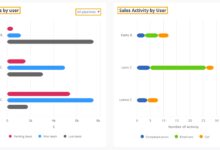




How CRM Workflow Automation Works
At its core, CRM workflow automation functions through a series of if-then scenarios. For example, if a lead fills out a contact form on your website, then the CRM automatically adds them to a campaign, assigns a sales rep, and sends a welcome email. These workflows reduce human error and ensure consistency across customer interactions.
- Data entry is automated from web forms, emails, or integrations.
- Tasks and follow-ups are triggered based on user behavior or time delays.
- Leads are scored, segmented, and routed to the right team automatically.
Key Components of a CRM Workflow
A successful CRM workflow consists of several interconnected elements that ensure smooth operations. These include triggers, actions, conditions, and outcomes.
- Triggers: Events that initiate a workflow (e.g., form submission, email open).
- Actions: What happens after the trigger (e.g., send email, create task).
- Conditions: Rules that determine whether an action should proceed (e.g., only if lead is from the US).
- Outcomes: The final result of the workflow (e.g., lead converted, deal closed).
“Automation doesn’t replace humans; it empowers them to focus on what truly matters—building relationships.” — HubSpot
Why CRM Workflow Automation Is a Game-Changer
In today’s fast-paced digital environment, businesses can’t afford inefficiency. CRM workflow automation eliminates bottlenecks, reduces manual labor, and ensures timely customer engagement. It transforms how teams operate by turning chaotic processes into structured, repeatable systems.
Eliminates Manual Data Entry
One of the biggest time sinks in sales and marketing is manual data entry. CRM workflow automation pulls information from various sources—like landing pages, social media, or email campaigns—and populates CRM records automatically. This not only saves hours but also minimizes errors.
- Integrates with web forms via tools like Zapier or native CRM APIs.
- Syncs data across platforms (e.g., Mailchimp, Salesforce, Google Forms).
- Ensures real-time updates so teams always have accurate information.
Improves Team Productivity
When employees spend less time on repetitive tasks, they can focus on high-value activities like closing deals or nurturing relationships. Automation handles routine follow-ups, task assignments, and status updates, freeing up your team to be more strategic.
- Sales reps get auto-assigned leads based on territory or workload.
- Marketing teams launch drip campaigns without manual intervention.
- Customer support receives instant alerts for urgent tickets.
Top 7 Benefits of CRM Workflow Automation
The advantages of implementing CRM workflow automation go far beyond saving time. From boosting conversion rates to enhancing customer satisfaction, the impact is measurable and transformative.
1. Increases Sales Efficiency
Sales teams thrive on speed and precision. With CRM workflow automation, leads are immediately captured, qualified, and routed to the right representative. Automated reminders ensure no opportunity slips through the cracks.
- Automated lead assignment prevents delays in follow-up.
- Follow-up sequences are triggered based on lead behavior (e.g., downloading a whitepaper).
- Deal stage updates happen automatically as tasks are completed.
2. Enhances Customer Experience
Customers expect prompt, personalized interactions. CRM workflow automation enables businesses to deliver timely, relevant communication at scale. Whether it’s a birthday greeting, post-purchase thank-you, or re-engagement campaign, automation makes personalization possible—even with thousands of contacts.
- Personalized email sequences based on user preferences.
- Automatic service ticket creation after product purchase.
- Behavior-triggered messages (e.g., abandoned cart emails).
“80% of customers are more likely to do business with a company that offers personalized experiences.” — Salesforce Research
3. Reduces Human Error
Manual processes are prone to mistakes—missed fields, incorrect data entry, forgotten follow-ups. CRM workflow automation standardizes procedures, ensuring every step is executed consistently and accurately.
- Validation rules prevent incomplete records.
- Duplicate entries are automatically flagged or merged.
- Compliance checks (e.g., GDPR consent) are built into workflows.
4. Boosts Lead Conversion Rates
Speed matters in lead conversion. Studies show that the odds of qualifying a lead drop drastically if the first response takes longer than five minutes. CRM workflow automation ensures instant engagement, significantly improving conversion chances.
- Instant acknowledgment emails set the right tone.
- Lead scoring models prioritize hot prospects automatically.
- Nurturing sequences keep cold leads engaged over time.
5. Provides Better Visibility and Reporting
Managers gain real-time insights into team performance and pipeline health. Automated reporting dashboards track KPIs like response times, conversion rates, and task completion—all without manual compilation.
- Custom reports on workflow performance (e.g., email open rates).
- Funnel analytics show where leads drop off.
- Team activity logs help identify bottlenecks.
6. Scales Operations Seamlessly
As your business grows, so does the complexity of managing customer relationships. CRM workflow automation allows you to scale without adding overhead. What worked for 100 customers can easily be applied to 10,000.
- Onboarding new clients becomes a repeatable process.
- Multi-language campaigns can be triggered based on location.
- Regional teams receive localized content automatically.
7. Strengthens Cross-Department Collaboration
CRM workflow automation breaks down silos between sales, marketing, and customer service. Shared workflows ensure everyone is on the same page, with access to the same data and timelines.
- Marketing notifies sales when a lead reaches a certain score.
- Support tickets are escalated to technical teams with full context.
- Finance gets automatic notifications for closed deals requiring invoicing.
Common CRM Workflow Automation Examples
Real-world applications of CRM workflow automation span across industries and departments. Below are some of the most impactful and widely used examples.
Lead Nurturing Campaigns
Not all leads are ready to buy immediately. CRM workflow automation keeps potential customers engaged through a series of educational and persuasive messages.
- Day 1: Welcome email with a resource guide.
- Day 3: Case study showcasing successful clients.
- Day 7: Personalized demo offer based on interest.
Customer Onboarding Sequences
First impressions matter. Automated onboarding workflows guide new customers through setup, training, and initial usage, increasing retention and satisfaction.
- Send a welcome package and login instructions.
- Schedule a kickoff call with an onboarding specialist.
- Deliver tutorial videos over the first two weeks.
Sales Follow-Up Reminders
Even the best salespeople forget to follow up. Automation ensures no opportunity is left behind with timely reminders and task creation.
- Create a follow-up task 24 hours after initial contact.
- Send a reminder if the lead hasn’t responded in 3 days.
- Escalate to a manager if no action is taken in 7 days.
How to Build Effective CRM Workflows
Creating powerful CRM workflows isn’t just about turning on automation—it’s about designing processes that align with your business goals and customer journey.
Map Your Customer Journey
Before automating anything, understand the path your customers take—from awareness to purchase and beyond. Identify key touchpoints where automation can add value.
- Define stages: Awareness, Consideration, Decision, Retention.
- Identify pain points at each stage (e.g., slow response time).
- Align workflows with customer expectations and behaviors.
Start Small and Iterate
Don’t try to automate everything at once. Begin with one high-impact process—like lead capture—and refine it before expanding.
- Test workflows with a small segment of users.
- Collect feedback from your team and customers.
- Optimize based on performance metrics (e.g., open rates, conversions).
Use Conditional Logic for Precision
Not all customers are the same. Use conditional logic to tailor workflows based on specific criteria like location, behavior, or lead score.
- Send different emails based on industry or job title.
- Route leads to different sales reps based on product interest.
- Pause workflows if a lead unsubscribes or marks emails as spam.
Choosing the Right CRM with Workflow Automation
Not all CRM platforms offer the same level of automation. When selecting a CRM, evaluate its workflow capabilities, ease of use, and integration options.
Key Features to Look For
To maximize the benefits of CRM workflow automation, choose a platform that offers robust, flexible tools.
- Drag-and-drop workflow builder for easy setup.
- Real-time triggers and multi-step sequences.
- Integration with email, calendar, and marketing tools.
- Mobile access for on-the-go management.
Top CRM Platforms with Strong Automation
Several CRM systems stand out for their powerful automation features. Here are some of the best:
- Salesforce: Highly customizable with Sales Cloud and Process Builder.
- HubSpot CRM: User-friendly automation with visual workflow editor.
- Zoho CRM: Affordable with strong AI-powered automation (Zia).
- Microsoft Dynamics 365: Ideal for enterprise-level automation and ERP integration.
- Pipedrive: Sales-focused with intuitive automation for deal stages.
Best Practices for CRM Workflow Automation
To get the most out of your automation efforts, follow these proven best practices that ensure effectiveness and sustainability.
Set Clear Goals and KPIs
Every workflow should have a purpose. Define what success looks like—whether it’s faster response times, higher conversion rates, or improved customer satisfaction.
- Track metrics like lead response time, email open rates, and task completion.
- Use A/B testing to compare different workflow versions.
- Align automation goals with overall business objectives.
Regularly Audit and Optimize Workflows
Automation isn’t “set it and forget it.” Regularly review your workflows to ensure they’re still relevant and effective.
- Check for outdated messages or broken links.
- Remove redundant or underperforming steps.
- Update workflows based on customer feedback or market changes.
Ensure Data Quality and Compliance
Poor data leads to poor automation. Maintain clean, accurate data and ensure compliance with privacy regulations like GDPR and CCPA.
- Use data validation rules to prevent incomplete entries.
- Automate consent management and opt-in tracking.
- Regularly clean duplicate or inactive records.
Future Trends in CRM Workflow Automation
The world of CRM automation is evolving rapidly, driven by advancements in AI, machine learning, and predictive analytics.
AI-Powered Predictive Workflows
Future CRM systems will not only react to triggers but anticipate needs. AI will analyze historical data to predict the best next action—like when to call a lead or which offer to present.
- Predictive lead scoring based on behavioral patterns.
- Smart routing that learns which reps close certain types of deals.
- Automated content recommendations for personalized emails.
Hyper-Personalization at Scale
Automation will move beyond basic personalization (like using a first name) to deliver deeply customized experiences based on real-time data.
- Dynamic content that changes based on user behavior.
- Location-based offers triggered by GPS or IP address.
- Emotion detection in emails to adjust tone and timing.
Integration with Conversational AI
Chatbots and virtual assistants will become integral to CRM workflows, handling initial inquiries and seamlessly passing qualified leads to human agents.
- Chatbots collect lead info and schedule meetings.
- Voice assistants update CRM records via voice commands.
- AI agents follow up on missed calls or unread emails.
What is CRM workflow automation?
CRM workflow automation is the process of using software to automate repetitive tasks within a Customer Relationship Management (CRM) system, such as lead capture, follow-up emails, task assignments, and data entry, based on predefined rules and triggers.
How does CRM workflow automation improve sales?
It improves sales by ensuring faster lead response times, consistent follow-ups, intelligent lead routing, and automated deal tracking, all of which increase conversion rates and reduce missed opportunities.
Can small businesses benefit from CRM workflow automation?
Absolutely. Small businesses can use CRM workflow automation to operate like larger teams, improve customer service, and scale efficiently without hiring additional staff.
What are some common CRM automation mistakes to avoid?
Common mistakes include over-automating (losing the human touch), using poor data, ignoring compliance, and failing to test or optimize workflows regularly.
Which CRM has the best workflow automation?
Top contenders include Salesforce, HubSpot CRM, and Zoho CRM, each offering robust automation tools. The best choice depends on your business size, budget, and specific needs.
CRM workflow automation is no longer a luxury—it’s a necessity for businesses that want to stay competitive, efficient, and customer-centric. From streamlining operations to delivering personalized experiences at scale, the benefits are clear and measurable. By understanding how it works, leveraging real-world examples, and following best practices, any organization can harness its full potential. As technology evolves, the future of CRM automation promises even greater intelligence, personalization, and integration. The time to start is now—because in the world of customer experience, speed, consistency, and relevance win every time.
Further Reading: