In today’s fast-paced business world, a smart CRM reporting dashboard isn’t just a luxury—it’s a necessity. It transforms raw data into actionable insights, helping teams make smarter decisions faster and boost overall performance.
What Is a CRM Reporting Dashboard and Why It Matters

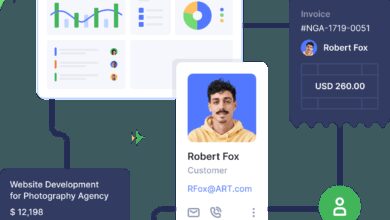
A CRM reporting dashboard is a visual interface that aggregates, organizes, and displays key customer relationship management (CRM) data in real time. It pulls information from your CRM system—like Salesforce, HubSpot, or Zoho—and presents it through charts, graphs, tables, and KPIs that are easy to interpret at a glance.





These dashboards serve as the command center for sales, marketing, and customer service teams. Instead of sifting through spreadsheets or waiting for weekly reports, managers and executives can instantly see how their teams are performing, which leads are converting, and where bottlenecks exist.
Core Components of a CRM Reporting Dashboard
Every effective CRM reporting dashboard shares a few foundational elements that make it functional and insightful. These include:
Real-Time Data Integration: The dashboard must pull live data from your CRM and other connected platforms (like email, social media, or ERP systems) to ensure accuracy and timeliness.Customizable Metrics: Users should be able to select which KPIs to display based on their role—sales managers might want pipeline value, while marketers track lead conversion rates.Interactive Visualizations: Charts and graphs should be clickable, filterable, and drillable, allowing users to explore data in depth without leaving the dashboard.
.”A dashboard is not just a report—it’s a decision engine.” — Avinash Kaushik, Digital Marketing Evangelist at Google
Types of CRM Reporting Dashboards
Not all dashboards are created equal.Depending on your business needs, you might use one or more of the following types:.
Sales Performance Dashboard: Tracks metrics like deal closure rates, average deal size, sales cycle length, and team performance.Ideal for sales managers and VPs of sales.Marketing ROI Dashboard: Shows campaign effectiveness, cost per lead, conversion rates, and customer acquisition cost.Used by marketing teams to justify budgets and optimize strategies.Customer Service Dashboard: Monitors response times, ticket resolution rates, customer satisfaction (CSAT), and first-contact resolution..
Essential for support teams aiming to improve service quality.Executive Overview Dashboard: A high-level summary of company-wide KPIs, including revenue, customer retention, and growth trends.Designed for C-suite leaders.Choosing the right type depends on your goals.For example, a startup might prioritize a marketing-focused CRM reporting dashboard to track lead generation, while an enterprise may need a multi-departmental dashboard for cross-functional insights..
Top 7 Features of a Powerful CRM Reporting Dashboard
To truly unlock the potential of your CRM data, your dashboard must go beyond basic charts. Here are seven powerful features that separate average dashboards from game-changing ones.
1. Real-Time Data Synchronization
One of the biggest advantages of a modern CRM reporting dashboard is its ability to reflect changes instantly. When a sales rep closes a deal or a customer submits a support ticket, that data should appear on the dashboard within seconds.
Real-time synchronization eliminates delays in decision-making. For instance, if a marketing campaign suddenly spikes lead volume, the sales team can be alerted immediately to scale outreach efforts.
Platforms like Salesforce and Zoho CRM offer robust APIs that enable seamless real-time data flow into dashboards built with tools like Tableau or Power BI.
2. Customizable and Role-Based Views
Not every user needs the same information. A CRM reporting dashboard should allow customization based on user roles. For example:
- Sales reps see their personal quotas, open deals, and follow-up tasks.
- Team leads view team-wide performance, pipeline health, and coaching opportunities.
- Executives get a bird’s-eye view of revenue forecasts, churn rates, and market trends.
Customization ensures relevance and reduces information overload. According to a Gartner report, organizations that implement role-based dashboards see a 30% increase in user adoption and engagement.
3. Interactive Data Visualization
Static reports are outdated. Today’s best CRM reporting dashboards use interactive visuals—bar charts, pie graphs, heat maps, and trend lines—that users can click, filter, and drill down into.
For example, clicking on a regional sales bar might reveal performance by individual reps or product lines. This interactivity turns passive viewers into active analysts.
Tools like Microsoft Power BI and Tableau integrate seamlessly with CRM systems to deliver rich, interactive experiences.
4. Predictive Analytics and AI Insights
The future of CRM reporting isn’t just about what happened—it’s about what’s going to happen. Advanced dashboards now include AI-driven predictive analytics that forecast sales trends, identify at-risk customers, and recommend next best actions.
For example, a predictive CRM reporting dashboard might flag a customer with declining engagement as high churn risk, prompting the account manager to intervene.
Salesforce Einstein Analytics and HubSpot’s predictive lead scoring are prime examples of AI-powered features enhancing CRM dashboards.
5. Mobile Accessibility
With remote work and field sales teams on the rise, mobile access to your CRM reporting dashboard is no longer optional. A responsive design ensures that users can view and interact with dashboards on smartphones and tablets without losing functionality.
Mobile dashboards should prioritize key metrics and offer touch-friendly navigation. Some platforms even allow push notifications for critical alerts—like a deal about to close or a service ticket overdue.
6. Automated Reporting and Alerts
Manually generating weekly reports is time-consuming and error-prone. A powerful CRM reporting dashboard automates this process by scheduling reports to be emailed or shared at set intervals.
Additionally, smart alert systems notify users when KPIs fall outside predefined thresholds. For instance, if monthly sales drop below 80% of target, the sales director receives an instant alert.
Automation not only saves time but also ensures consistency and accountability across teams.
7. Integration with External Data Sources
A CRM system alone doesn’t tell the whole story. The most insightful dashboards pull data from multiple sources—ERP systems, marketing automation platforms, social media, and financial software.
For example, combining CRM sales data with inventory levels from an ERP system can help forecast demand and prevent stockouts. Integrations are typically enabled via APIs, Zapier, or native connectors.
According to a McKinsey study, companies that integrate external data into their CRM dashboards achieve 25% higher customer satisfaction and 15% faster decision-making.
How to Build an Effective CRM Reporting Dashboard
Creating a high-performing CRM reporting dashboard requires more than just installing software. It demands strategic planning, clear objectives, and user-centric design.
Step 1: Define Your Business Goals
Before building anything, ask: What do you want to achieve? Common goals include:
- Increase sales conversion rates by 20% in six months.
- Reduce customer churn by improving retention efforts.
- Shorten the sales cycle by identifying bottlenecks.
Your dashboard should be designed to track progress toward these specific objectives. Vague goals lead to cluttered, ineffective dashboards.
Step 2: Identify Key Performance Indicators (KPIs)
Once goals are set, select the KPIs that will measure success. For a sales team, these might include:
- Number of qualified leads
- Pipeline value
- Win rate
- Average deal size
- Sales cycle length
For marketing, KPIs could be:
- Cost per lead
- Lead-to-customer conversion rate
- Email open and click-through rates
- ROI per campaign
Choose 5–7 core KPIs to avoid overwhelming users. Too many metrics dilute focus.
Step 3: Choose the Right CRM and Dashboard Tool
Not all CRM platforms offer the same dashboard capabilities. Evaluate options based on:
- Native dashboard features
- Customization flexibility
- Integration with BI tools
- User-friendliness
Popular CRM platforms with strong reporting include:
- Salesforce: Highly customizable with Einstein Analytics for AI insights.
- HubSpot CRM: User-friendly with drag-and-drop dashboard builders.
- Zoho CRM: Affordable with robust reporting and Zia AI assistant.
- Microsoft Dynamics 365: Deep integration with Power BI for advanced analytics.
If your CRM’s native dashboard is limited, consider connecting it to a BI tool like Power BI or Tableau for enhanced visualization and analysis.
Common Mistakes to Avoid When Using a CRM Reporting Dashboard
Even the best tools can fail if used incorrectly. Here are common pitfalls and how to avoid them.
Mistake 1: Overloading with Too Many Metrics
It’s tempting to display every possible data point, but this leads to “dashboard clutter.” Users get overwhelmed and miss critical insights.
Solution: Stick to a focused set of KPIs aligned with business goals. Use tabs or filters to allow deeper dives when needed.
Mistake 2: Ignoring Data Quality
Garbage in, garbage out. If your CRM data is incomplete, outdated, or inaccurate, your dashboard will mislead rather than inform.
Solution: Implement data hygiene practices—regular audits, mandatory field entries, and automated validation rules. Train teams to update records consistently.
Mistake 3: Failing to Train Users
A dashboard is only as good as the people using it. If team members don’t understand how to interpret the data or interact with the dashboard, adoption will be low.
Solution: Provide hands-on training, create user guides, and assign dashboard champions within each department to drive engagement.
Mistake 4: Not Updating the Dashboard
Business needs evolve. A dashboard that worked last quarter may no longer reflect current priorities.
Solution: Schedule quarterly reviews to assess dashboard relevance. Add new KPIs, remove obsolete ones, and refine visualizations based on user feedback.
Real-World Examples of CRM Reporting Dashboard Success
Theoretical benefits are great, but real-world results speak louder. Let’s look at how companies have leveraged CRM reporting dashboards to drive growth.
Case Study 1: Tech Startup Boosts Sales by 40%
A SaaS startup using HubSpot CRM struggled with inconsistent sales reporting. After implementing a custom CRM reporting dashboard with real-time pipeline tracking and automated forecasts, the sales team gained clarity on deal progress.
Managers identified stalled deals and coached reps to close them. Within six months, closed deals increased by 40%, and the average sales cycle shortened by 15%.
Case Study 2: E-Commerce Brand Improves Customer Retention
An online retailer integrated their Zoho CRM with a Power BI dashboard to track customer lifetime value (CLV), repeat purchase rates, and support ticket trends.
By analyzing this data, they launched a loyalty program targeting high-CLV customers. Churn dropped by 22%, and customer satisfaction scores rose by 35%.
Case Study 3: Enterprise Reduces Reporting Time by 70%
A global manufacturing firm used to spend 20 hours weekly compiling sales reports from multiple systems. They built a unified CRM reporting dashboard in Salesforce with automated data sync from ERP and marketing platforms.
Now, executives get real-time insights with zero manual effort. Reporting time dropped by 70%, freeing up analysts for strategic work.
Future Trends in CRM Reporting Dashboards
As technology evolves, so do CRM reporting dashboards. Here’s what’s on the horizon.
AI-Powered Prescriptive Analytics
While predictive analytics tells you what might happen, prescriptive analytics tells you what to do about it. Future dashboards will not only forecast outcomes but also recommend actions—like which lead to contact first or which discount to offer.
For example, an AI might analyze past customer behavior and suggest, “Offer a 10% discount to Customer X to prevent churn.”
Voice-Activated Dashboards
Imagine asking, “What’s my sales pipeline this month?” and getting a spoken response. Voice-enabled dashboards, powered by AI assistants like Alexa for Business or Google Assistant, are becoming a reality.
This hands-free access is ideal for field sales reps or executives on the go.
Augmented Reality (AR) Dashboards
Still in early stages, AR dashboards could project 3D data visualizations into physical spaces. A sales manager might walk into a meeting room and see a holographic sales funnel floating in the air.
While futuristic, companies like Microsoft (with HoloLens) are already experimenting with AR for enterprise analytics.
Hyper-Personalization with Machine Learning
Future dashboards will adapt in real time to user behavior. If a manager frequently checks churn risk scores, the dashboard will prioritize that metric automatically.
Machine learning will personalize layouts, alerts, and even the language of insights based on user preferences and past interactions.
How to Measure the ROI of Your CRM Reporting Dashboard
Investing in a CRM reporting dashboard should deliver measurable returns. Here’s how to calculate its impact.
Quantitative Metrics
Track hard numbers before and after implementation:
- Time Saved: How many hours per week are saved on manual reporting?
- Sales Growth: Has revenue or conversion rate improved?
- Customer Retention: Has churn decreased?
- Operational Efficiency: Are teams resolving tickets or closing deals faster?
For example, if your team saves 10 hours weekly on reporting and earns $50/hour, that’s $26,000 in annual savings alone.
Qualitative Benefits
Some returns aren’t easily quantified but are equally valuable:
- Better decision-making due to real-time insights
- Improved team alignment and accountability
- Increased confidence in forecasting
- Stronger customer relationships through proactive service
Use employee surveys and stakeholder interviews to capture these benefits.
Calculating Overall ROI
Use the formula:
ROI = (Net Benefits / Cost of Investment) × 100
Net Benefits = Quantitative Savings + Estimated Value of Qualitative Gains
Cost of Investment = Software licenses, implementation, training, and maintenance.
If your dashboard costs $15,000 annually but saves $40,000 in labor and drives $100,000 in new sales, your ROI is (125,000 / 15,000) × 100 = 833%.
Is a CRM reporting dashboard worth it? Absolutely—if implemented strategically.
What are the best tools for building a CRM reporting dashboard?
Top tools include Salesforce with Einstein Analytics, HubSpot’s dashboard builder, Zoho Analytics, Microsoft Power BI, and Tableau. The best choice depends on your CRM platform, budget, and technical needs.
How often should I update my CRM dashboard?
Review and update your dashboard at least quarterly. Make adjustments based on changing business goals, user feedback, and new data sources.
Can small businesses benefit from a CRM reporting dashboard?
Yes! Even small teams can gain clarity on sales performance, customer behavior, and marketing ROI. Many CRMs offer affordable or free dashboard tools perfect for startups and SMBs.
How do I ensure data accuracy in my CRM dashboard?
Enforce data entry standards, automate data collection where possible, conduct regular audits, and train staff on CRM best practices. Clean data is the foundation of reliable insights.
What’s the difference between a CRM dashboard and a BI tool?
A CRM dashboard focuses specifically on customer and sales data within a CRM system. A BI (Business Intelligence) tool is broader, analyzing data from multiple systems across the organization. Many companies use both, integrating CRM dashboards into larger BI platforms.
A powerful CRM reporting dashboard is more than a collection of charts—it’s a strategic asset that drives smarter decisions, improves efficiency, and fuels growth. By understanding its core features, avoiding common mistakes, and leveraging real-world insights, businesses of all sizes can transform their data into a competitive advantage. As technology advances, the future of CRM dashboards promises even deeper intelligence, personalization, and automation. The time to build or optimize your dashboard is now.
Further Reading: