In today’s hyper-connected business world, CRM integration services are no longer a luxury—they’re a necessity. Seamlessly connecting your customer relationship management system with other vital tools unlocks efficiency, insight, and growth like never before.
What Are CRM Integration Services?
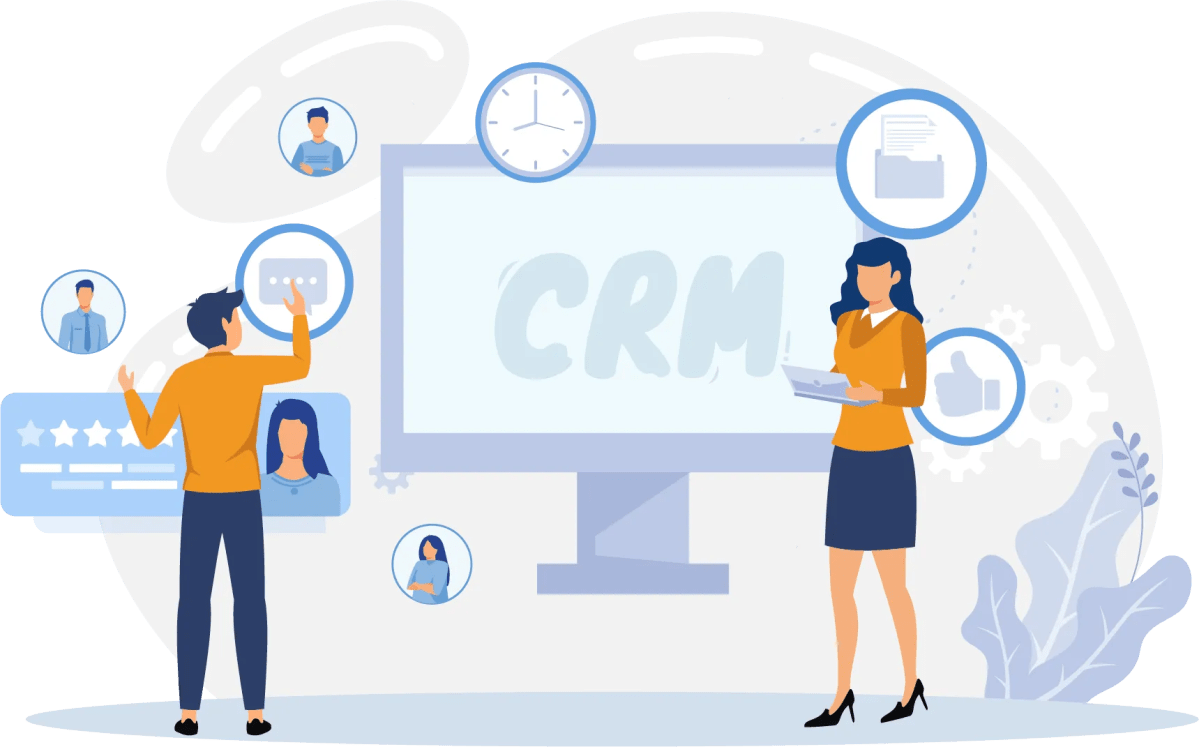
CRM integration services refer to the process of connecting your Customer Relationship Management (CRM) platform with other software systems used across your organization. This includes email marketing tools, customer support platforms, accounting software, e-commerce systems, and even internal databases. The goal is to create a unified ecosystem where data flows freely and automatically between platforms, eliminating silos and ensuring that every team has access to real-time, accurate customer information.





How CRM Integration Works Technically
At its core, CRM integration relies on APIs (Application Programming Interfaces) that allow different software applications to communicate with one another. These APIs enable data synchronization—whether it’s a one-way push of customer details from a web form into the CRM or a two-way sync between your CRM and ERP system. Modern integration platforms like Zapier, MuleSoft, or Salesforce Integration Cloud provide pre-built connectors and workflows that simplify the process, even for non-technical users.
Types of CRM Integrations
There are several types of CRM integration services, each serving a unique business need:
One-Way Integration: Data flows in a single direction (e.g., from a website form to the CRM).Two-Way Integration: Data syncs bi-directionally (e.g., updates in the CRM reflect in the marketing automation tool and vice versa).Real-Time Integration: Changes are reflected instantly across systems.Batch Integration: Data is transferred in scheduled intervals (e.g., nightly syncs)..
“Integration is not just about connecting systems—it’s about connecting people, processes, and decisions.” — Gartner Research
Why CRM Integration Services Are Essential for Modern Businesses
As businesses grow, so does the number of tools they use.Sales teams rely on CRMs, marketing uses email platforms, support teams manage tickets, and finance tracks invoices.Without integration, these systems operate in isolation, leading to inefficiencies, data duplication, and poor customer experiences.CRM integration services bridge these gaps, creating a single source of truth for customer data..
Eliminating Data Silos Across Departments
Data silos occur when information is trapped within a single department or software. For example, marketing might run a campaign without knowing that sales has already closed a deal with the same lead. CRM integration services break down these walls by ensuring that every team accesses the same updated data. This leads to better collaboration and more informed decision-making.
Improving Operational Efficiency
Manual data entry is not only time-consuming but also prone to errors. CRM integration services automate the transfer of data, reducing the need for repetitive tasks. For instance, when a new customer signs up on your website, their details are automatically added to your CRM, email list, and billing system—without any human intervention. This saves hours of work and minimizes the risk of mistakes.
Top 7 Benefits of CRM Integration Services
The advantages of implementing CRM integration services extend far beyond simple data syncing. When done right, these integrations can transform how a business operates, from sales performance to customer satisfaction.
1. Enhanced Customer Experience
When all customer touchpoints are integrated, support agents can see a complete history of interactions—calls, emails, purchases, and complaints—before even speaking to the customer. This allows for personalized, empathetic service. For example, if a customer contacts support after making a recent purchase, the agent can instantly access order details and offer relevant assistance, improving satisfaction and loyalty.
2. Increased Sales Productivity
Sales teams spend nearly 60% of their time on non-selling activities like data entry and follow-up scheduling. CRM integration services automate these tasks by syncing calendars, logging calls, and updating deal stages automatically. Tools like HubSpot Sales Hub integrate with Gmail and Outlook to track emails and schedule meetings directly from the CRM, freeing up time for actual selling.
3. Accurate and Real-Time Reporting
Integrated systems provide a holistic view of business performance. Instead of pulling reports from five different platforms, managers can generate dashboards that show sales pipelines, marketing ROI, customer service response times, and revenue trends—all in one place. This real-time visibility enables faster, data-driven decisions.
4. Streamlined Marketing Automation
Marketing teams can create highly targeted campaigns when CRM data is synced with email platforms like Mailchimp or ActiveCampaign. For example, when a lead reaches a certain stage in the sales funnel, they can be automatically enrolled in a nurture sequence. CRM integration services ensure that campaign results—opens, clicks, conversions—are fed back into the CRM, giving a full picture of lead behavior.
5. Better Inventory and Order Management
For e-commerce businesses, integrating CRM with inventory management systems like Shopify or Magento ensures that sales teams always know product availability. If a customer inquires about a product, the rep can check stock levels in real time and even place orders directly from the CRM. This reduces delays and improves order accuracy.
6. Seamless Customer Support
Integrating CRM with helpdesk software like Zendesk or Freshdesk allows support agents to view customer history, past tickets, and purchase records instantly. This context enables faster resolution and reduces the need for customers to repeat themselves. Additionally, support interactions can trigger follow-up tasks in the CRM, ensuring no issue falls through the cracks.
7. Scalability for Business Growth
As companies grow, their tech stack becomes more complex. CRM integration services provide the flexibility to add new tools without disrupting existing workflows. Whether you’re onboarding a new HR platform or expanding into a new market, integrated systems adapt quickly, supporting scalable growth without technical debt.
Common CRM Integration Services and Use Cases
CRM integration services are not one-size-fits-all. Different industries and business models require tailored solutions. Below are some of the most common integration scenarios and the tools involved.
Sales and Email Integration
Integrating your CRM with email platforms like Gmail, Outlook, or Microsoft 365 allows sales reps to track email opens, clicks, and replies directly within the CRM. Tools like Cirrus Insight or Mailshake offer deep integration with Salesforce and HubSpot, enabling automatic logging of communications and follow-up reminders.
Marketing Automation Integration
Connecting your CRM to marketing automation tools like Marketo, Pardot, or Klaviyo enables lead scoring, campaign tracking, and behavior-based segmentation. For example, when a lead downloads a whitepaper, the CRM updates their score and triggers a personalized email sequence. This closed-loop marketing ensures that no lead is left behind.
Customer Support and Ticketing Systems
Integrating CRM with support platforms like Zendesk, Help Scout, or Intercom ensures that every customer interaction is recorded and accessible. When a support ticket is resolved, the CRM can automatically update the customer’s status and notify the account manager. This creates a seamless handoff between departments and improves service continuity.
Choosing the Right CRM Integration Services Provider
Not all integration providers are created equal. The right partner will understand your business goals, technical environment, and long-term vision. Here’s how to choose wisely.
Key Features to Look For
When evaluating CRM integration services, consider the following features:
- Pre-Built Connectors: Look for platforms that offer ready-made integrations with your existing tools.
- Customization Options: Ensure the provider can build custom workflows for unique business processes.
- Security and Compliance: Data privacy is critical. Verify that the provider follows GDPR, CCPA, and SOC 2 standards.
- Scalability: The solution should grow with your business, supporting more users and integrations over time.
- Support and Documentation: Reliable customer support and comprehensive guides are essential for smooth implementation.
Top CRM Integration Platforms in 2024
Several platforms dominate the CRM integration services landscape:
- Zapier: Ideal for small to mid-sized businesses, offering 5,000+ app integrations with a user-friendly interface.
- MuleSoft: A powerful enterprise-grade solution used by large organizations for complex, high-volume integrations.
- Workato: Combines automation and integration with AI-powered workflows, great for mid-market companies.
- Boomi: Known for its low-code platform and strong cloud integration capabilities.
- Microsoft Power Automate: Best for businesses already using Microsoft 365 and Dynamics 365.
Challenges and Pitfalls in CRM Integration
While CRM integration services offer immense benefits, they also come with challenges that must be addressed to ensure success.
Data Quality and Consistency Issues
Poor data quality is one of the biggest obstacles. If your CRM contains duplicate records, outdated emails, or incomplete profiles, integration will only amplify these problems. Before integrating, conduct a data audit and clean-up. Use tools like ValidEmail or Salesforce Data Cloud to standardize and enrich your data.
Integration Complexity and Technical Debt
Some integrations require custom coding, especially when dealing with legacy systems or proprietary software. Without proper planning, this can lead to technical debt—accumulated complexity that makes future updates difficult. To avoid this, work with experienced developers and document every integration step.
User Adoption and Training
Even the best CRM integration services will fail if employees don’t use them. Resistance to change is common, especially among non-technical staff. Invest in training programs, create user guides, and involve teams early in the integration process to ensure smooth adoption.
Future Trends in CRM Integration Services
The world of CRM integration is evolving rapidly, driven by advancements in AI, cloud computing, and automation. Staying ahead of these trends ensures your business remains competitive.
AI-Powered Integration and Predictive Analytics
Artificial intelligence is transforming CRM integration services by enabling predictive insights. For example, AI can analyze customer behavior across integrated systems and predict which leads are most likely to convert. Platforms like Salesforce Einstein use machine learning to recommend next steps, prioritize tasks, and forecast sales.
Low-Code and No-Code Integration Tools
The rise of low-code and no-code platforms is democratizing integration. Business users can now build workflows without writing a single line of code. Tools like Zapier, Make (formerly Integromat), and Bubble empower non-developers to automate processes, reducing dependency on IT teams.
Cloud-Native and API-First Architectures
Modern CRM systems are increasingly built on cloud-native, API-first architectures. This makes integration easier and more scalable. Companies like HubSpot, Zoho, and Salesforce design their platforms with open APIs, allowing seamless connectivity with third-party apps.
How to Get Started with CRM Integration Services
Starting your CRM integration journey doesn’t have to be overwhelming. Follow these steps to ensure a smooth and successful implementation.
Assess Your Current Tech Stack
Begin by mapping out all the software your business uses. Identify which systems store customer data and which ones could benefit from integration. Common candidates include email, marketing, support, billing, and e-commerce platforms.
Define Clear Integration Goals
Ask yourself: What do you want to achieve? Is it faster lead response times? Better reporting? Improved customer service? Clear goals will guide your integration strategy and help measure success.
Choose the Right Integration Method
Decide whether you need pre-built connectors, custom APIs, or a hybrid approach. For simple workflows, no-code tools like Zapier may suffice. For complex enterprise needs, consider platforms like MuleSoft or Boomi.
Test and Monitor Performance
Before going live, test the integration in a sandbox environment. Check for data accuracy, sync speed, and error handling. Once deployed, monitor performance regularly and gather user feedback for continuous improvement.
What are CRM integration services?
CRM integration services connect your Customer Relationship Management system with other business applications like email, marketing, support, and accounting tools. This enables seamless data flow, eliminates manual entry, and provides a unified view of customer interactions across departments.
What are the benefits of CRM integration?
Key benefits include improved customer experience, increased sales productivity, accurate real-time reporting, streamlined marketing automation, better inventory management, seamless support, and scalability for growth. Integration reduces errors, saves time, and enhances decision-making.
Which CRM platforms support integration?
Most modern CRMs like Salesforce, HubSpot, Zoho CRM, Microsoft Dynamics, and Pipedrive offer robust integration capabilities through APIs and native connectors. They support integration with hundreds of third-party apps for marketing, sales, and service.
How much do CRM integration services cost?
Costs vary based on complexity. Simple no-code integrations (e.g., Zapier) start at $20/month. Custom enterprise solutions can range from $5,000 to $50,000+ depending on scope, development, and maintenance. Ongoing costs may include licensing, support, and updates.
Is CRM integration secure?
Yes, when done correctly. Reputable CRM integration services use encryption, OAuth authentication, and comply with data protection regulations like GDPR and CCPA. Always choose providers with strong security certifications and conduct regular audits.
CRM integration services are a game-changer for businesses aiming to streamline operations, enhance customer relationships, and drive growth. By connecting disparate systems into a cohesive ecosystem, companies gain real-time insights, reduce manual work, and deliver superior service. While challenges like data quality and user adoption exist, the long-term benefits far outweigh the risks. As technology evolves with AI and low-code tools, the future of CRM integration is more accessible and powerful than ever. The key is to start with clear goals, choose the right tools, and partner with experts who understand your vision. With the right approach, CRM integration isn’t just a technical upgrade—it’s a strategic advantage.
Further Reading: