In today’s hyper-connected business world, a CRM digital platform isn’t just a tool—it’s a game-changer. From boosting customer satisfaction to streamlining sales, discover how this powerful technology transforms operations across industries.
What Is a CRM Digital Platform?

A CRM digital platform, or Customer Relationship Management digital platform, is a comprehensive software solution designed to manage all aspects of a company’s interactions with current and potential customers. It centralizes customer data, automates workflows, and provides analytical insights to improve business relationships, drive sales growth, and enhance customer retention. Unlike traditional CRM systems that were often limited to sales tracking, modern CRM digital platforms are cloud-based, scalable, and integrated with AI, marketing automation, and customer service tools.



Core Components of a CRM Digital Platform
Modern CRM digital platforms are built on several foundational components that work together to deliver a seamless user experience and robust functionality. These include contact management, sales force automation, marketing automation, customer service and support, and analytics and reporting.
- Contact Management: Stores and organizes customer information such as names, contact details, purchase history, and communication logs.
- Sales Force Automation: Tracks leads, manages pipelines, automates follow-ups, and forecasts revenue.
- Marketing Automation: Enables targeted campaigns, lead nurturing, email marketing, and campaign performance tracking.
Evolution from Traditional CRM to Digital Platforms
CRM systems have evolved significantly since their inception in the 1980s. Early CRMs were basic contact management tools, often running on standalone desktop software. The 1990s saw the rise of call centers and help desks integrating CRM functionalities. However, the real transformation began in the 2000s with the advent of cloud computing.
According to Salesforce, the shift to cloud-based CRM allowed businesses to access real-time data from anywhere, collaborate across departments, and scale operations efficiently. Today’s CRM digital platform is no longer just a database—it’s an intelligent ecosystem powered by artificial intelligence, machine learning, and seamless third-party integrations.
“The future of CRM is not just about managing relationships—it’s about predicting them.” — Marc Benioff, CEO of Salesforce
Key Features of a Modern CRM Digital Platform
A robust CRM digital platform offers a wide array of features that cater to various business functions. These features are designed to increase efficiency, improve customer engagement, and provide data-driven insights for strategic decision-making.
Centralized Customer Data Management
One of the most powerful aspects of a CRM digital platform is its ability to consolidate customer information from multiple touchpoints—email, social media, phone calls, live chat, and website interactions—into a single, unified profile. This 360-degree view enables teams across sales, marketing, and customer service to access accurate, up-to-date information.
For example, when a customer contacts support, the agent can instantly see their purchase history, previous interactions, and ongoing sales opportunities. This level of context improves response times and personalization, leading to higher satisfaction rates.
Automation and Workflow Integration
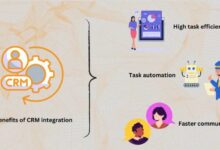
Automation is a cornerstone of any effective CRM digital platform. Routine tasks such as sending follow-up emails, scheduling appointments, updating lead statuses, and assigning tickets can be automated based on predefined rules. This reduces manual workload, minimizes human error, and ensures consistency in customer communication.
Workflow integration allows different departments to collaborate seamlessly. For instance, when a marketing campaign generates a qualified lead, the CRM can automatically notify the sales team, assign the lead based on territory or expertise, and trigger a personalized outreach sequence.
Analytics and Real-Time Reporting
Data is only valuable if it’s actionable. Modern CRM digital platforms come equipped with advanced analytics dashboards that provide real-time insights into sales performance, customer behavior, campaign effectiveness, and service metrics.
- Sales managers can track conversion rates and pipeline health.
- Marketing teams can measure ROI on campaigns and adjust strategies accordingly.
- Customer service leaders can monitor response times and resolution rates.
These insights empower businesses to make informed decisions quickly. Platforms like Zoho CRM offer customizable reports and AI-powered forecasting tools that help predict future trends and identify potential risks.
Top Benefits of Using a CRM Digital Platform
Implementing a CRM digital platform delivers measurable advantages across all levels of an organization. From improving internal efficiency to enhancing customer experiences, the benefits are both immediate and long-term.
Improved Customer Relationships and Retention
By maintaining detailed customer profiles and tracking every interaction, businesses can deliver more personalized and timely service. A CRM digital platform enables companies to anticipate customer needs, recommend relevant products, and resolve issues proactively.
According to a study by Nucleus Research, organizations using CRM see an average increase of 34% in customer satisfaction. Repeat customers are more likely to stay loyal when they feel understood and valued.
Increased Sales Efficiency and Conversion Rates
Sales teams benefit immensely from a CRM digital platform. With tools for lead scoring, pipeline visualization, and automated follow-ups, reps can focus on high-value activities rather than administrative tasks.
For example, a sales representative can use the platform to identify which leads are most likely to convert based on engagement history and demographic data. This prioritization leads to shorter sales cycles and higher close rates. Research shows that CRM users experience an average of 29% increase in sales productivity.
Enhanced Collaboration Across Departments
One of the biggest challenges in growing businesses is siloed information. Marketing doesn’t know what sales is doing, and customer service lacks visibility into ongoing deals. A CRM digital platform breaks down these barriers by providing a shared database accessible to all authorized teams.
This cross-functional visibility fosters better alignment. For instance, marketing can tailor campaigns based on feedback from sales, while customer success teams can onboard new clients more effectively by reviewing past communications and expectations.
“A CRM digital platform turns fragmented departments into a unified customer experience engine.”
Types of CRM Digital Platforms
Not all CRM digital platforms are created equal. Depending on business size, industry, and specific needs, organizations can choose from several types of CRM systems—each with unique strengths and use cases.
Operational CRM
Operational CRM focuses on automating and improving core customer-facing processes such as sales, marketing, and service. It includes features like lead management, campaign management, and service request handling.
This type is ideal for businesses looking to streamline day-to-day operations and ensure consistency in customer interactions. For example, an e-commerce company might use operational CRM to automate order confirmations, shipping updates, and post-purchase follow-ups.
Analytical CRM
Analytical CRM is centered around data analysis and customer insights. It collects data from various sources and applies statistical models to understand customer behavior, segment audiences, and predict future trends.
Large enterprises with complex customer bases often rely on analytical CRM to drive strategic decisions. For instance, a telecom provider might use it to identify churn risks and launch retention campaigns before customers cancel their subscriptions.
Collaborative CRM
Also known as customer-facing CRM, collaborative CRM enhances communication between a company and its customers, as well as among internal teams. It integrates channels like email, chat, social media, and phone systems to ensure consistent messaging and faster response times.
Service-oriented industries such as banking, healthcare, and hospitality benefit greatly from collaborative CRM. It ensures that no matter which channel a customer uses, their history and preferences are visible to every agent they interact with.
How to Choose the Right CRM Digital Platform for Your Business
Selecting the right CRM digital platform requires careful evaluation of your business goals, team size, budget, and technical requirements. Making the wrong choice can lead to low adoption rates, wasted resources, and missed opportunities.
Assess Your Business Needs and Goals
Start by identifying what you want to achieve with a CRM. Are you looking to improve lead conversion? Enhance customer support? Automate marketing campaigns? Define clear objectives so you can match them with platform capabilities.
For example, a small startup focused on rapid growth may prioritize ease of use and affordability, while a mid-sized company expanding into new markets might need advanced analytics and multi-language support.
Evaluate Scalability and Integration Capabilities
Your CRM digital platform should grow with your business. Look for solutions that offer flexible pricing tiers, modular features, and the ability to add users or functionalities as needed.
Equally important is integration. The CRM should seamlessly connect with your existing tools—email platforms (e.g., Gmail, Outlook), e-commerce systems (e.g., Shopify, WooCommerce), accounting software (e.g., QuickBooks), and communication apps (e.g., Slack, Microsoft Teams).
Platforms like HubSpot CRM offer extensive integration libraries and APIs, making it easier to build a connected tech stack.
Consider User Experience and Training Requirements
No matter how powerful a CRM digital platform is, it won’t deliver value if your team doesn’t use it. Prioritize platforms with intuitive interfaces, mobile accessibility, and strong onboarding support.
Check whether the vendor provides training resources, video tutorials, and customer support. Some platforms even offer dedicated success managers to help with implementation and adoption.
“The best CRM is the one your team actually uses every day.”
Implementation Best Practices for a CRM Digital Platform
Rolling out a CRM digital platform is more than just installing software—it’s a strategic initiative that requires planning, change management, and continuous optimization.
Define Clear Implementation Goals and Timeline
Before going live, establish measurable goals such as increasing lead response time by 50%, reducing customer churn by 15%, or improving sales forecast accuracy. Set a realistic timeline with milestones for data migration, user training, and system testing.
Assign a project manager or CRM champion to oversee the process and ensure accountability across departments.
Data Migration and System Integration
Migrating existing customer data into the new CRM digital platform is a critical step. Ensure data is cleaned, deduplicated, and properly formatted before import. Poor data quality can undermine trust in the system and lead to inaccurate reporting.
Work closely with your IT team or CRM provider to integrate the platform with other business systems. Use secure APIs and conduct thorough testing to avoid disruptions during the transition.
Train Users and Drive Adoption
Even the most advanced CRM digital platform will fail if employees don’t understand how to use it. Conduct hands-on training sessions tailored to different roles—sales reps, marketers, support agents.
Encourage adoption by highlighting personal benefits: faster access to information, reduced manual work, and better performance tracking. Recognize early adopters and gather feedback to make iterative improvements.
Future Trends Shaping the CRM Digital Platform Landscape
The CRM digital platform is not static—it continues to evolve with advancements in technology and changing customer expectations. Staying ahead of these trends ensures your business remains competitive and customer-centric.
Artificial Intelligence and Predictive Analytics
AI is revolutionizing CRM by enabling predictive lead scoring, sentiment analysis, chatbots, and automated email personalization. For example, AI can analyze past interactions to predict which customers are most likely to buy and suggest the best time to contact them.
Platforms like Microsoft Dynamics 365 use AI to provide sales recommendations and surface insights directly within the workflow.
Mobile-First and Remote Accessibility
With the rise of remote work and mobile sales teams, CRM digital platforms are increasingly designed with mobile-first principles. Responsive web interfaces and dedicated mobile apps allow users to access customer data, update records, and close deals from anywhere.
Features like offline mode, voice-to-text notes, and GPS-based scheduling enhance productivity for field sales representatives and service technicians.
Hyper-Personalization and Customer Journey Mapping
Customers expect personalized experiences at every touchpoint. Modern CRM digital platforms are incorporating journey mapping tools that visualize the entire customer lifecycle—from awareness to advocacy.
By understanding each stage of the journey, businesses can deliver targeted content, offers, and support. For instance, a SaaS company might use CRM data to send onboarding tips based on how a user interacts with their product.
What is a CRM digital platform?
A CRM digital platform is a cloud-based software system that helps businesses manage customer interactions, streamline sales and marketing processes, and improve customer service through centralized data, automation, and analytics.
How does a CRM digital platform improve sales?
It improves sales by automating lead tracking, providing real-time pipeline visibility, enabling personalized outreach, and offering predictive insights to prioritize high-value opportunities.
Can small businesses benefit from a CRM digital platform?
Absolutely. Many CRM platforms offer affordable, scalable plans tailored for small businesses. They help organize customer data, automate follow-ups, and improve team collaboration—even with limited staff.
Is data secure in a CRM digital platform?
Yes, reputable CRM providers implement strong security measures including data encryption, multi-factor authentication, regular backups, and compliance with standards like GDPR and SOC 2.
How long does it take to implement a CRM digital platform?
Implementation time varies based on complexity, but most small to mid-sized businesses can go live within 2 to 8 weeks, including data migration, training, and testing.
Adopting a CRM digital platform is no longer optional—it’s essential for businesses aiming to thrive in a customer-driven economy. From centralizing data and automating workflows to delivering personalized experiences and leveraging AI-powered insights, the right platform can transform how you engage with customers and operate internally. By understanding the types, benefits, and best practices outlined in this guide, you’re well-equipped to choose and implement a solution that drives growth, enhances satisfaction, and future-proofs your organization.
Further Reading: