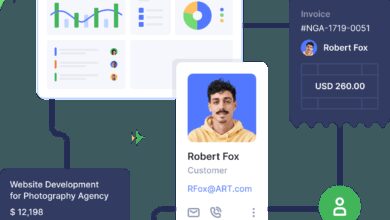
Imagine running your entire customer relationship strategy from the cloud—accessible anytime, anywhere, and on any device. That’s the power of cloud CRM management today. It’s not just a trend; it’s a transformation reshaping how businesses connect, engage, and grow.
What Is Cloud CRM Management?

Cloud CRM management refers to the use of cloud-based software to manage all aspects of customer relationships. Unlike traditional on-premise CRM systems that require physical servers and local installations, cloud CRM operates over the internet, allowing businesses to access data and tools remotely through secure logins.




How Cloud CRM Differs from On-Premise CRM
The fundamental difference lies in deployment. On-premise CRM systems are installed locally on a company’s own servers and maintained by an internal IT team. This requires significant upfront investment in hardware, software licenses, and ongoing maintenance.
- Cloud CRM eliminates the need for physical infrastructure.
- Updates and security patches are handled automatically by the provider.
- Scalability is seamless—businesses can add users or features as needed.
In contrast, cloud CRM management offers a subscription-based model, reducing capital expenditure and shifting costs to predictable operational expenses. This makes it especially appealing for small to mid-sized businesses looking to scale efficiently.
Core Components of Cloud CRM Systems
A robust cloud CRM platform integrates several key components designed to streamline customer interactions and improve business outcomes. These include:
- Contact Management: Centralized storage of customer data including names, contact details, communication history, and preferences.
- Sales Force Automation: Tools for tracking leads, managing pipelines, forecasting sales, and automating follow-ups.
- Marketing Automation: Features for email campaigns, lead nurturing, segmentation, and campaign performance analytics.
- Customer Service & Support: Ticketing systems, knowledge bases, live chat integration, and service level agreement (SLA) tracking.
- Analytics & Reporting: Real-time dashboards, KPIs, and customizable reports to monitor performance across departments.
“The cloud has democratized access to enterprise-grade CRM tools, enabling even startups to compete with industry giants.” — Gartner Research, 2023
Top 7 Benefits of Cloud CRM Management
Adopting cloud CRM management brings transformative advantages that directly impact efficiency, customer satisfaction, and revenue growth. Let’s explore the seven most compelling benefits.
1. Cost Efficiency and Predictable Spending
One of the biggest advantages of cloud CRM management is its cost structure. Instead of large upfront investments in servers, software licenses, and IT staffing, companies pay a monthly or annual subscription fee.
- No need for dedicated server rooms or hardware upgrades.
- Lower IT overhead due to managed services from the vendor.
- Pay-as-you-go models allow businesses to scale up or down based on demand.
According to a Forrester study, organizations using cloud CRM can reduce total cost of ownership (TCO) by up to 40% over five years compared to on-premise solutions.
2. Accessibility and Remote Work Enablement
In today’s hybrid and remote work environments, having access to customer data from anywhere is no longer a luxury—it’s a necessity. Cloud CRM management enables employees to log in from any location with an internet connection.
- Sales teams can update deal statuses while traveling.
- Support agents can resolve tickets from home offices.
- Managers can monitor team performance in real time via mobile apps.
This flexibility enhances productivity and ensures continuity, especially during disruptions like pandemics or natural disasters.
3. Faster Deployment and Time-to-Value
Traditional CRM implementations can take months due to complex installations and configurations. Cloud CRM management, on the other hand, can be deployed in days or even hours.
- Vendors often provide pre-built templates and wizards for quick setup.
- Integration with existing tools like email, calendars, and ERP systems is streamlined.
- Training resources are usually available online, reducing onboarding time.
For example, Salesforce reports that many of its customers go live within 30 days of signing up, significantly accelerating ROI.
4. Automatic Updates and Innovation
With cloud CRM management, software updates are delivered automatically by the provider. This means users always have access to the latest features, security patches, and compliance enhancements without manual intervention.
- No downtime for patching or version upgrades.
- New AI-driven features (like predictive lead scoring) are rolled out seamlessly.
- Regulatory compliance (e.g., GDPR, CCPA) is easier to maintain.
This continuous innovation cycle keeps businesses competitive without requiring additional effort from internal teams.
5. Scalability for Business Growth
As your business grows, so do your CRM needs. Cloud CRM management platforms are inherently scalable, allowing you to add users, modules, or storage capacity with just a few clicks.
- Startups can begin with basic plans and upgrade as they expand.
- Enterprises can deploy multi-region instances for global operations.
- Seasonal businesses can scale temporarily during peak periods.
This elasticity ensures that your CRM system evolves with your business rather than becoming a bottleneck.
6. Enhanced Data Security and Compliance
Contrary to common misconceptions, cloud CRM management often provides superior security compared to on-premise systems. Leading providers invest heavily in cybersecurity infrastructure.
- Enterprise-grade encryption for data at rest and in transit.
- Regular third-party audits and certifications (e.g., ISO 27001, SOC 2).
- Advanced threat detection and automated backups.
For instance, Microsoft Dynamics 365 uses Azure’s security framework, which includes AI-powered anomaly detection and zero-trust architecture.
7. Seamless Integration with Other Business Tools
Modern cloud CRM platforms are designed to integrate effortlessly with a wide range of third-party applications, creating a unified ecosystem for business operations.
- Sync with email platforms like Gmail and Outlook.
- Connect with marketing tools such as Mailchimp or HubSpot.
- Integrate with e-commerce platforms like Shopify or Magento.
- Link to ERP systems like SAP or NetSuite.
These integrations eliminate data silos, reduce manual entry, and ensure consistency across departments.
Key Features to Look for in a Cloud CRM Management Platform
Not all cloud CRM solutions are created equal. To get the most value, it’s essential to evaluate platforms based on specific features that align with your business goals.
User-Friendly Interface and Customization
A CRM should enhance productivity, not hinder it. Look for platforms with intuitive dashboards, drag-and-drop functionality, and customizable layouts.
- Role-based views so sales, marketing, and support see relevant data.
- Custom fields and workflows to match your business processes.
- Mobile app availability with full functionality.
Platforms like Zoho CRM and HubSpot are known for their ease of use and high degree of personalization.
Automation and Workflow Management
Automation is a cornerstone of effective cloud CRM management. It reduces repetitive tasks and ensures consistency in customer engagement.
- Automated lead assignment based on territory or workload.
- Triggered email sequences for onboarding or re-engagement.
- Task reminders and follow-up scheduling.
For example, Pipedrive allows users to set up automation rules that trigger actions when specific conditions are met, such as moving a deal to the next stage after a call is logged.
AI and Predictive Analytics
Artificial intelligence is revolutionizing cloud CRM management by providing actionable insights and automating decision-making.
- Predictive lead scoring to identify high-value prospects.
- Sentiment analysis of customer communications.
- Forecasting tools that analyze historical data to predict future sales trends.
Salesforce Einstein AI is a prime example, offering smart recommendations and anomaly detection that help sales reps prioritize their efforts.
How Cloud CRM Management Improves Customer Experience
At its core, CRM exists to improve customer relationships. Cloud CRM management amplifies this goal by providing a 360-degree view of the customer and enabling personalized interactions at scale.
360-Degree Customer View
Cloud CRM systems aggregate data from multiple touchpoints—email, phone calls, social media, website visits, and support tickets—into a single customer profile.
- Agents can see the entire history of interactions before responding.
- Sales reps understand customer preferences and past purchases.
- Marketing teams can segment audiences more accurately.
This holistic view enables more empathetic and informed engagement, reducing friction and increasing satisfaction.
Personalization at Scale
With cloud CRM management, businesses can deliver tailored experiences to thousands of customers simultaneously.
- Dynamically personalize email content based on behavior.
- Recommend products based on purchase history.
- Trigger special offers on birthdays or anniversaries.
For example, Amazon leverages CRM-like systems to recommend products, contributing to 35% of its total sales through personalized suggestions.
Faster Response Times and Proactive Support
Speed matters in customer service. Cloud CRM management enables faster resolution through automation and real-time collaboration.
- Tickets are automatically routed to the right agent.
- Chatbots handle common queries 24/7.
- SLA tracking ensures timely follow-ups.
Zendesk, a leading cloud-based support platform, reports that companies using its CRM tools reduce average response times by up to 40%.
Challenges and Considerations in Cloud CRM Management
While the benefits are substantial, adopting cloud CRM management isn’t without challenges. Being aware of these pitfalls helps organizations plan better and avoid costly mistakes.
Data Privacy and Regulatory Compliance
Storing customer data in the cloud raises concerns about privacy and compliance with regulations like GDPR, HIPAA, or CCPA.
- Ensure your provider complies with relevant data protection laws.
- Understand where your data is hosted and who has access.
- Implement strong authentication and access controls.
Always review the vendor’s data processing agreement (DPA) and ask about their data residency policies.
Integration Complexity
Although cloud CRMs offer integration capabilities, connecting them with legacy systems or niche tools can be complex.
- Some APIs may be limited or poorly documented.
- Data mapping between systems can lead to inconsistencies.
- Custom integrations may require developer expertise.
To mitigate this, choose platforms with robust API ecosystems and consider middleware solutions like Zapier or MuleSoft.
Vendor Lock-In and Migration Risks
Switching CRM providers after years of data accumulation can be difficult and risky.
- Data export formats may not be compatible with new systems.
- Custom workflows and automations may need to be rebuilt.
- Downtime during migration can disrupt operations.
To reduce risk, opt for vendors that support open standards and provide easy data export options. Regularly back up your CRM data independently.
Top Cloud CRM Management Platforms in 2024
The market is flooded with cloud CRM options, each catering to different business sizes and industries. Here’s a look at the top players dominating the space.
Salesforce Sales Cloud
Salesforce remains the gold standard in cloud CRM management, offering unparalleled depth and scalability.
- Powerful automation and AI features via Einstein.
- Extensive app marketplace (AppExchange) with thousands of integrations.
- Ideal for mid-sized to large enterprises with complex sales cycles.
Learn more at salesforce.com.
HubSpot CRM
HubSpot is a favorite among small businesses and startups for its free tier and user-friendly design.
- Free plan includes contact management, email tracking, and deal pipelines.
- Seamless integration with marketing, sales, and service hubs.
- Excellent onboarding and educational resources.
Visit hubspot.com to explore.
Microsoft Dynamics 365
Dynamics 365 combines CRM and ERP functionalities, making it ideal for organizations already using Microsoft 365.
- Tight integration with Outlook, Teams, and Power BI.
- Strong AI and analytics capabilities.
- Suitable for industries like manufacturing, retail, and professional services.
Discover more at dynamics.microsoft.com.
Future Trends in Cloud CRM Management
The evolution of cloud CRM management is far from over. Emerging technologies are shaping the next generation of customer relationship platforms.
AI-Powered Conversational CRM
Future CRM systems will act as intelligent assistants, engaging customers through chatbots, voice assistants, and virtual agents.
- Natural language processing (NLP) enables human-like interactions.
- Conversational AI can handle bookings, inquiries, and troubleshooting.
- Integration with WhatsApp, Messenger, and SMS channels expands reach.
Companies like Intercom are already leading this shift with AI-driven customer messaging platforms.
Hyper-Personalization Using Big Data
CRM systems will leverage vast datasets to deliver hyper-personalized experiences in real time.
- Behavioral data from websites and apps will inform CRM actions.
- Real-time personalization engines will adjust content dynamically.
- Context-aware recommendations will anticipate customer needs.
This trend is already visible in platforms like Adobe Experience Cloud, which combines CRM with digital experience management.
Blockchain for Secure Customer Identity
Blockchain technology could revolutionize how customer identities and consent are managed in cloud CRM systems.
- Decentralized identity verification reduces fraud.
- Immutable audit trails ensure transparency in data usage.
- Customers gain control over what data they share and with whom.
While still in early stages, companies like IBM are exploring blockchain-based CRM solutions for enhanced trust and compliance.
What is cloud CRM management?
Cloud CRM management is the use of internet-based software to manage customer relationships, including sales, marketing, and customer service activities. It allows businesses to store, access, and analyze customer data securely from anywhere, using a subscription model.
Is cloud CRM secure?
Yes, reputable cloud CRM providers implement advanced security measures such as encryption, multi-factor authentication, and regular audits. In many cases, cloud CRM is more secure than on-premise systems due to the provider’s dedicated cybersecurity resources.
How much does cloud CRM cost?
Costs vary by provider and features, but most cloud CRM platforms start at around $10–$50 per user per month. Some, like HubSpot, offer free plans with basic functionality.
Can cloud CRM integrate with other tools?
Absolutely. Most cloud CRM systems offer APIs and native integrations with popular tools like email clients, marketing automation platforms, e-commerce systems, and ERP software.
Which cloud CRM is best for small businesses?
HubSpot CRM and Zoho CRM are excellent choices for small businesses due to their affordability, ease of use, and comprehensive free tiers.
Cloud CRM management has evolved from a niche tool to a strategic imperative for modern businesses. Its ability to enhance efficiency, improve customer experiences, and drive growth makes it indispensable in today’s digital economy. From cost savings and scalability to AI-driven insights and global accessibility, the benefits are clear. While challenges like data privacy and integration complexity exist, they can be managed with careful planning and vendor selection. As technology advances, cloud CRM will continue to integrate AI, automation, and emerging technologies to deliver even smarter, more personalized customer experiences. The future of customer relationship management is in the cloud—and it’s already here.
Further Reading: